By Laura Keil
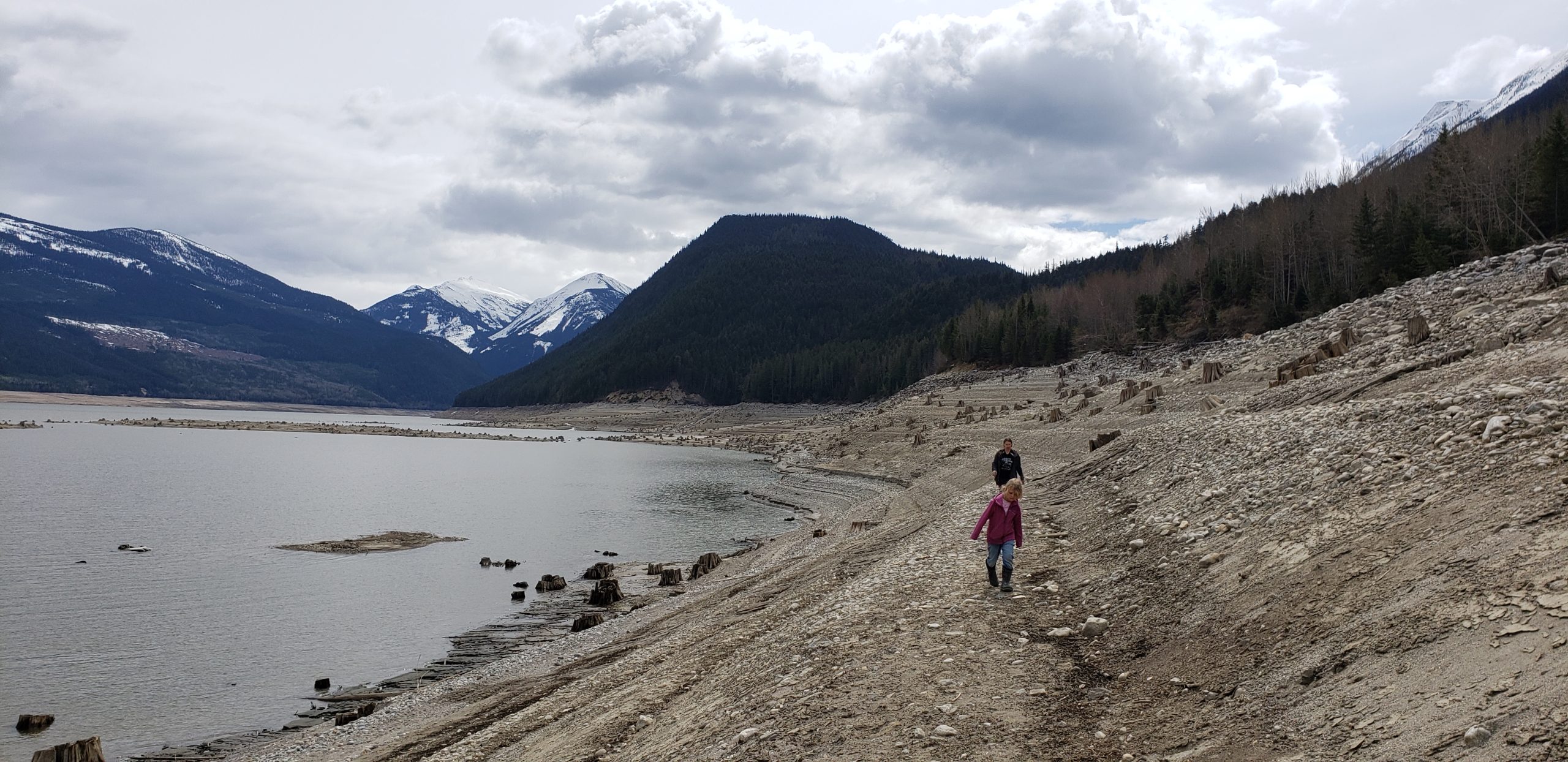
High Arrow the novel started long before I knew anything about the Columbia River Treaty. It began when I visited Kinbasket Lake shortly after moving to Valemount and experienced the stark beauty of the reservoir, mountains rising steeply and massive stumps stranded high on the shoreline. A reservoir that used to be lush, productive forest.
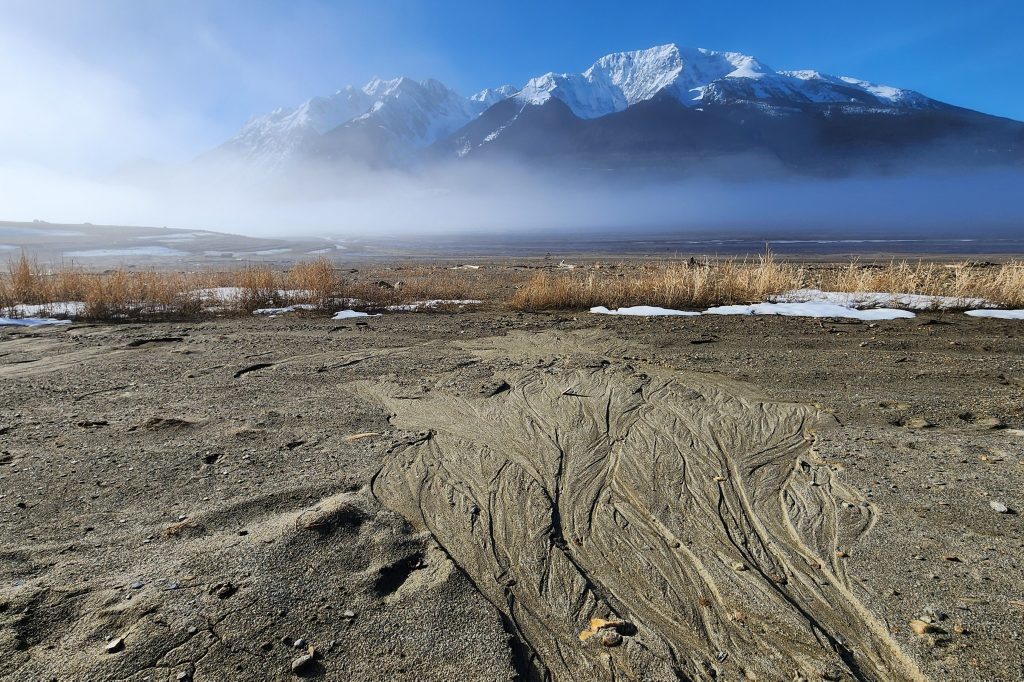
Since 2010 I’ve lived in the Columbia River Basin of British Columbia and seen first-hand the impacts of the international water-management treaty with the U.S. Dust storms, wood debris clogging the water, a marina unable to reach the water for many weeks of the year. It took many years for me to uncover another story — the one of the people forced off their land to make way for this nation-building project — and to understand the human sacrifice that was paid.
Over the past three years, I’ve dived into the fascinating history of this disruptive treaty to uncover the experiences of Arrow Lakes residents uprooted by this agreement. My question was simple: what did it feel like during that time? What was the practical and emotional impact of that dislocation on a household and individual level? I located a few short stories (including a notable story by Anne DeGrace in Treading Water which I recommend), but was unable to uncover any book-length fiction on the relocations.
I started my research with several out-of-print non-fiction books written shortly after the dams were completed, including “People in the Way” by J.W. Wilson, “Land Grab” and “Continental Waterboy” by Donald Waterfield, and Dam Lies by Val Morton. I have also referenced MANY publications created by the Arrow Lakes Historical Society, an indispensable resource to me throughout my research. Their books that I’ve referenced include Our Coloured Past, the Minto Sternwheeler, the many Driving Tour booklets, and Caulkboot Riverdance.
A River Captured by Eileen Delehanty Pearkes helped ground me in the landscape of the region on both a conceptual and ecological level.
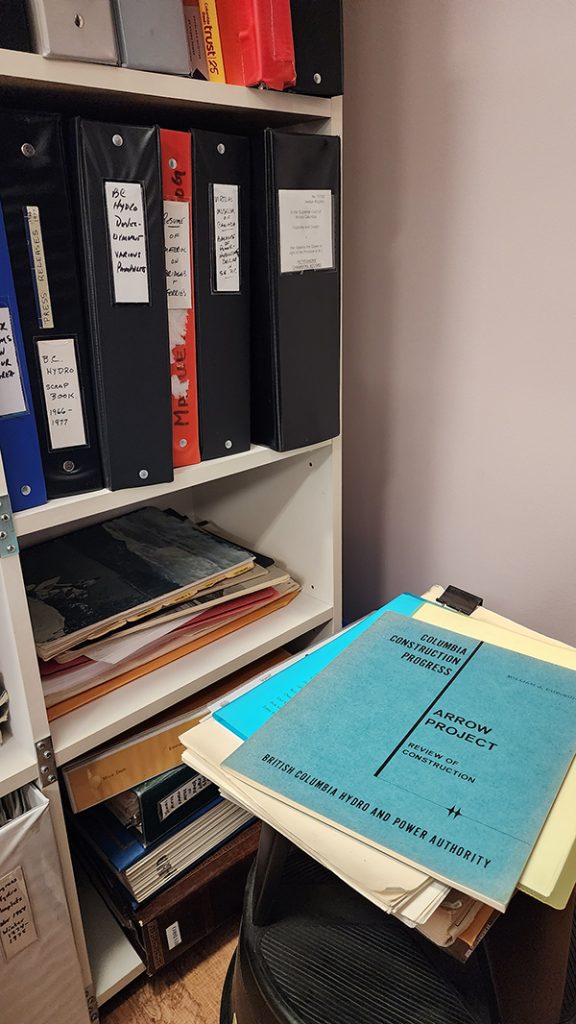
After exhausting resources available through interlibrary loans, I took several trips to Nakusp where I visited the Arrow Lakes Historical Society’s wonderful archives where I could page through binders of old newspaper clippings, BC Hydro newsletters and personal accounts.
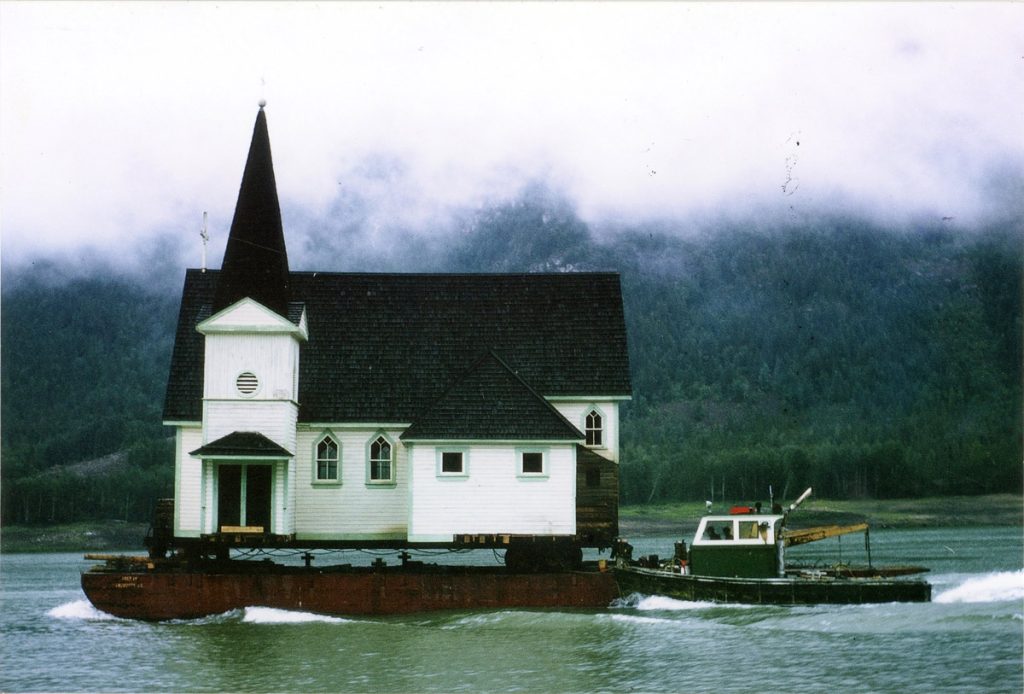
From these sources I began putting together a timeline (link coming soon). When did people learn about the treaty and its impacts? The answer turned out to be anything but straightforward. Many sources noted that early information was inconsistent and murky. Even after the treaty’s first signatures, for years there was a kind of “fog of war” where locals had no idea when the dam construction and resettlement would actually happen due to the many layers of government approvals (U.S. and Canadian negotiating teams, U.S. and Canadian federal governments, as well as Canada and the Province of British Columbia). There were other issues too. For instance, the community of West Arrow Park was originally told that houses could be moved above the high water line. But in 1965, a report came back showing the rising water table would cause the silty foundation of the town to become unstable. Everyone had to leave. All the houses were either burned or relocated and the graveyard was covered in a cement blanket.
From that fog of war came the cold facts of buy-outs, reservoir clearing, dam construction and finally flooding. A valley that would never be the same.
READ MORE:

